

Selecting the right interior paint requires matching the chemical base and the finish sheen to the specific needs of a room. Most residential interior walls perform best with high-quality water-based latex paint. This type of paint is preferred because it dries fast, cleans up easily with soap and water, and remains flexible over time to prevent cracking. For most living spaces, an eggshell or satin finish provides the best balance between a rich appearance and the ability to wipe away scuffs or dirt.
Kitchens, bathrooms, and laundry rooms demand different properties because of moisture and frequent cleaning. In these areas, a semi-gloss or high-gloss finish is often necessary. These shinier finishes create a non-porous surface that resists water absorption and prevents mildew growth. Understanding these technical differences ensures that the chosen product will look good and last for years without peeling or fading.
Choosing Between Water-Based and Oil-Based Paints
The vast majority of interior projects today utilize water-based paints, commonly referred to as latex or acrylic. According to data from Grand View Research, water-based technology dominates the market because of its lower environmental impact and ease of use. These paints emit fewer odors and volatile organic compounds (VOCs), making them safer for indoor air quality.
Oil-based paints, or alkyd paints, are used less frequently for walls but still hold a place for specific applications. They offer superior leveling properties, which means brush strokes disappear as the paint dries, leaving a glass-like surface. This makes them a strong candidate for trim, doors, and cabinetry. However, they take much longer to dry, require mineral spirits for cleanup, and can yellow over time. For standard drywall or plaster walls, water-based options are almost always the better choice.
Understanding Paint Sheens and Finishes
The sheen of a paint refers to how much light it reflects once dry. This choice affects both the aesthetic of the room and the durability of the wall. Higher sheens contain more resin and less pigment, creating a harder, more reflective surface. Lower sheens have more pigment and less resin, resulting in a flat, non-reflective look that hides surface imperfections well.
| Paint Finish | Reflection Level | Durability | Best Use Cases |
|---|---|---|---|
| Flat / Matte | Minimal | Low | Ceilings, adult bedrooms, low-traffic areas |
| Eggshell | Low / Velvety | Moderate | Living rooms, dining rooms, hallways |
| Satin | Medium | High | Kids’ rooms, kitchens, bathrooms, trim |
| Semi-Gloss | High | Very High | Baseboards, window casings, cabinets |
| High-Gloss | Very High | Maximum | Accents, furniture, heavy-use surfaces |
Bonus Tip: When painting a room with many wall imperfections or older plaster, stick to a flat or matte finish. Shiny paints act like a spotlight on bumps and uneven patches, while flat finishes help these flaws disappear.
Determining the Best Paint for Specific Rooms
Each room in a house serves a different purpose, and the paint should reflect that. A bedroom does not face the same challenges as a mudroom or a kitchen.
Living Areas and Bedrooms
For spaces where comfort is the priority, eggshell is the standard choice. It offers enough shine to look sophisticated while remaining easy to clean if someone accidentally touches the wall. If the room receives a lot of direct sunlight, a matte finish can reduce glare, making the space feel more relaxed.
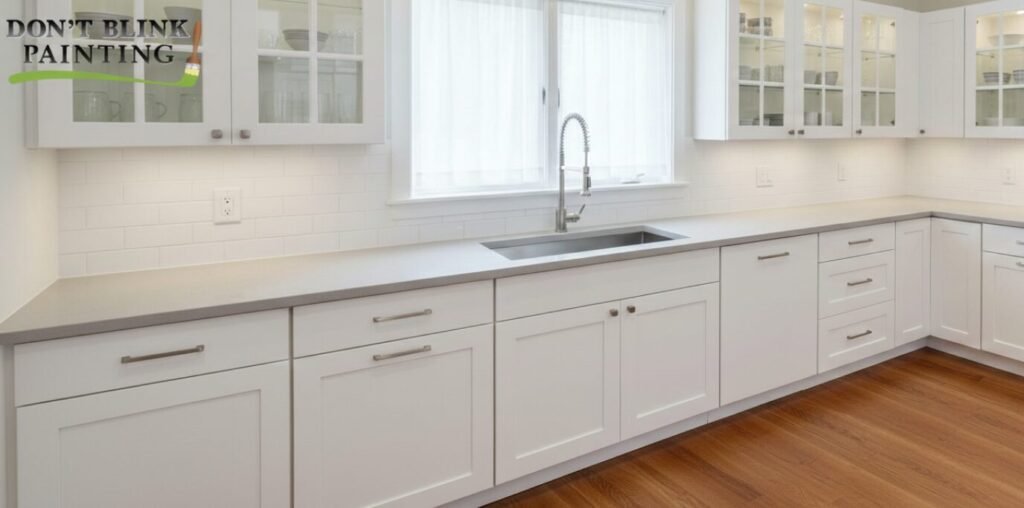
Kitchens and Bathrooms
These areas are considered high-moisture zones. Steam from showers and grease from cooking can break down standard flat paints quickly. Experts at Sherwin-Williams suggest using satin or semi-gloss finishes in these rooms. Modern paint technology has also led to the creation of specialized kitchen and bath paints that include anti-microbial additives to prevent mold.
Hallways and Entryways
These are the high-traffic arteries of a home. Fingers, bags, and pets frequently come into contact with these walls. A satin finish is the most effective choice here because it can withstand regular scrubbing without losing its color or developing “burnish” marks, which are shiny spots caused by friction.
Factors to Consider Before Making a Decision
While room function helps determine the necessary sheen, several environmental and structural factors also need evaluation before purchasing paint. The current state of the walls and the lighting in the room will change how a paint performs and looks.
- Wall Condition: If the walls have been patched many times or have a heavy texture, avoid high sheens.
- Lighting Sources: Natural light from windows can make colors look cooler, while incandescent bulbs can make them look warmer. A glossier finish will bounce this light around more than a flat one.
- Existing Paint: If the current paint is oil-based, a water-based paint will not stick to it without a transition primer. Testing this is easy: rub a small area with a cotton ball soaked in rubbing alcohol. If paint comes off, it is water-based. If it does not, it is oil-based.
- Air Quality Needs: For households with children, pets, or individuals with respiratory sensitivities, looking for “Zero-VOC” labels is a smart move. The Environmental Protection Agency provides guidelines on how VOCs affect indoor environments, and many modern paints now meet strict safety standards without sacrificing performance.
Practical Application Tips for Interior Walls
Preparation is just as important as the paint itself. Even the most expensive paint will fail if the surface is not ready. Don’t Blink Painting recommends cleaning all walls with a damp cloth to remove dust and cobwebs before starting.
Bonus Tip: Always “box” your paint. This involves mixing all the cans of the same color into a large five-gallon bucket. Even with computer mixing, slight color variations can occur between individual cans. Mixing them together ensures the color stays perfectly consistent across the entire room.
Applying a primer is another step that should not be skipped, especially when making a drastic color change or painting over a glossy surface. Primers seal the substrate and provide a “tooth” for the new paint to grip. While many “paint and primer in one” products exist, a dedicated primer is still superior for difficult surfaces or stained walls.
Common Questions About Interior Paint
Selecting the right product often leads to specific technical questions about longevity and coverage.
Does the Brand of Paint Actually Matter?
Higher-end brands typically contain more solids and better resins. This leads to better “hide,” meaning fewer coats are needed to cover the old color. While budget paints might seem cheaper upfront, they often require three coats instead of two, which increases both labor and the total volume of paint needed.
How Much Paint is Needed for a Standard Room?
A gallon of quality interior painting generally covers about 350 to 400 square feet. For a standard 10×12 room with eight-foot ceilings, two gallons are usually enough for two coats, assuming the color change is not extreme.
Can Exterior Paint Be Used Inside?
Exterior paint should never be used on interior walls. It is designed to flex with temperature changes and often contains fungicides and chemicals meant to stay outdoors. These chemicals can off-gas for a long time, leading to unpleasant smells and potential health concerns in an enclosed space.
Frequently Asked Questions
How long should interior paint dry before a second coat?
Most water-based paints are dry to the touch in one hour but require four hours before a second coat is applied. Humidity and room temperature can extend this time. Rushing the second coat can cause the first layer to pull away from the wall, creating a textured mess.
Why does the paint look different on my wall than in the store?
Store lighting is usually very bright, cool-toned fluorescent light. Home lighting is much softer. Additionally, the surrounding colors in a room, such as flooring and furniture, reflect onto the walls and change the perceived color of the paint.
What is the best way to clean painted walls?
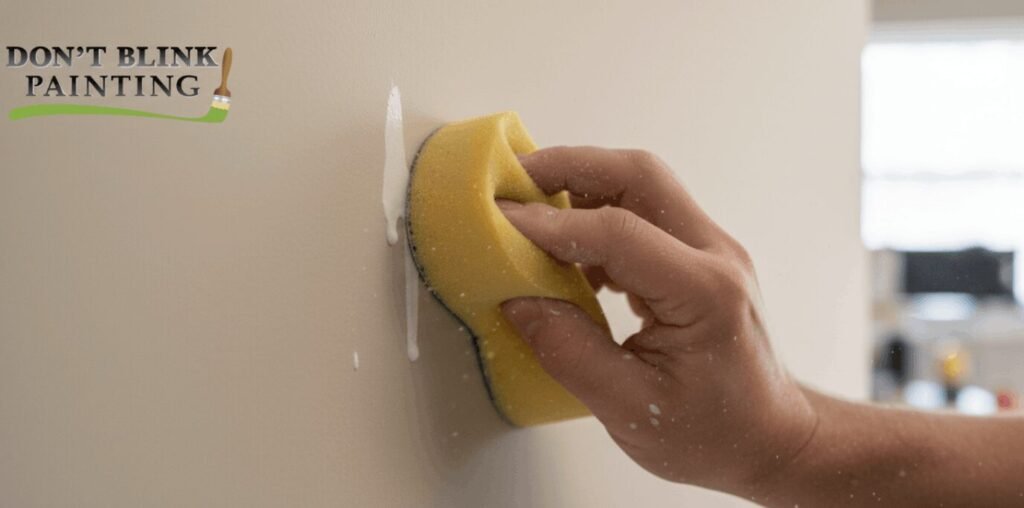
Wait at least 30 days for the paint to fully cure before washing it. Use a soft sponge and a mixture of water and a drop of mild dish soap. Avoid abrasive cleaners, especially on flat or eggshell finishes, as they can scratch the surface.
Is a primer always necessary for interior walls?
A primer is not always required if the new paint is a similar color and the wall is in good condition. However, it is necessary if the wall is bare drywall, has stains, or if you are switching from a dark color to a light one.
Summary of Interior Wall Paint Selection
Achieving a professional result depends on selecting a paint that suits the room’s environment and the wall’s condition. High-quality water-based latex remains the gold standard for most homes due to its durability and safety. By matching the sheen level to the traffic patterns of the home and ensuring proper preparation, the finish will remain beautiful for years. Always test a sample on the wall and observe it at different times of the day to ensure the color and sheen meet expectations.
Professional Assistance from Don’t Blink Painting
Finding the right balance between aesthetics and functionality is easier with professional guidance. Don’t Blink Painting provides expert interior painting services tailored to the specific needs of your home. For detailed inquiries or to discuss your next project, contact Myron at (858) 405-3744 or via email at myron@dontblinkpainting.com. Quality results start with the right materials and experienced application.
Sources
- Grand View Research – Market analysis of paint and coatings trends including the rise of water-based products.
- Sherwin-Williams – A comprehensive guide on how to select the appropriate paint sheen for different home environments.
- Environmental Protection Agency – Technical information regarding VOCs and their impact on indoor air quality.
- Benjamin Moore – Practical advice on matching paint finishes to specific architectural needs and room types.