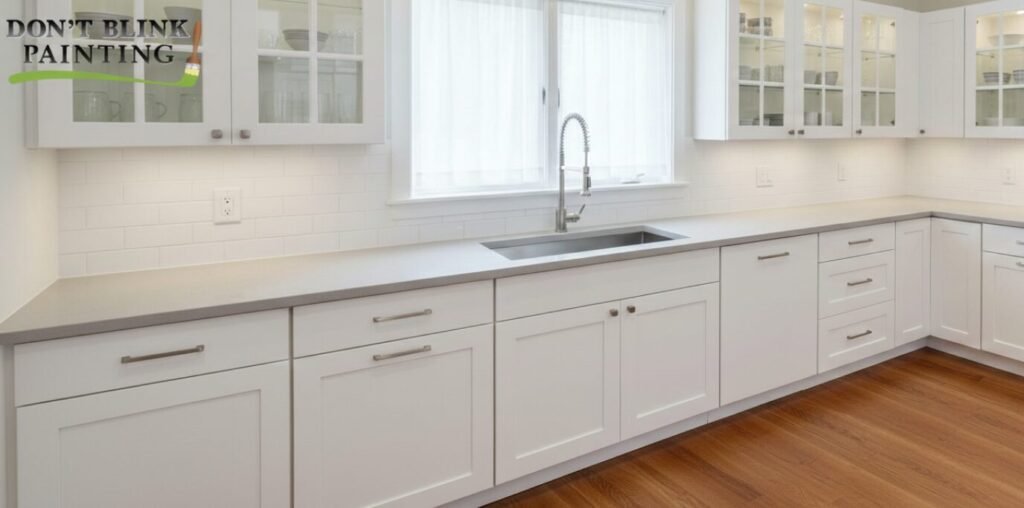


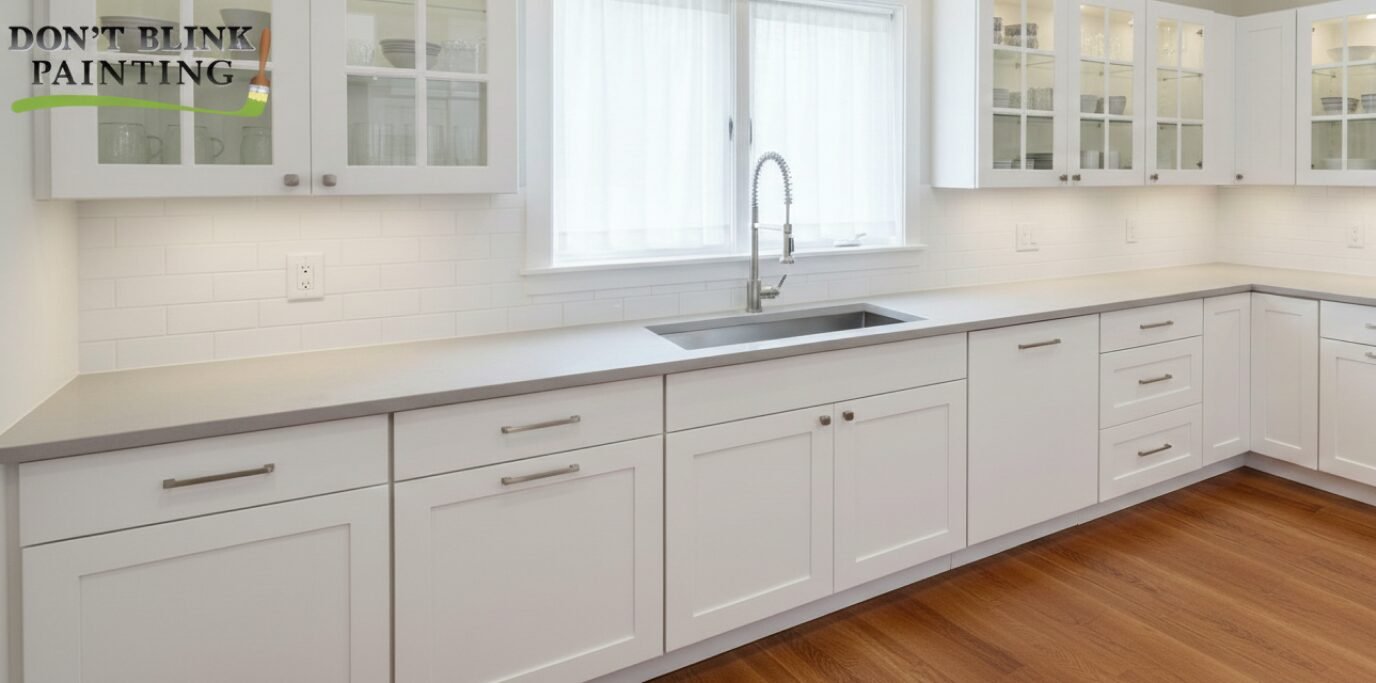
Painting the interior of kitchen cabinets is usually unnecessary unless the cabinets feature glass doors, open shelving, or an existing finish that is badly damaged. For standard cabinets with solid doors, the interior remains hidden from view, making the additional labor and cost difficult to justify. Most homeowners find that the factory finish or original wood inside the boxes is easier to clean and maintain than a fresh coat of paint, which can be prone to chipping under the weight of heavy dishes and cookware.
Deciding whether to paint these hidden surfaces depends on your specific goals for the kitchen and the current state of the cabinetry. Don’t Blink Painting offers this detailed guide, based on years of professional experience, to help you determine when the extra effort serves a purpose and when it creates more work than value. This information follows industry standards for achieving high-quality finishes and ensuring long-term durability.
When Painting Cabinet Interiors Makes Sense
Visual appeal is the primary driver for painting the inside of a cabinet. If your kitchen design features glass door inserts, the interior becomes an integral part of the room’s decor. In this scenario, matching the interior to the exterior creates a uniform, high-end look, making cabinet updates a natural extension of interior painting work. Similarly, if the cabinet doors are removed entirely to create open shelving, painting the boxes helps the kitchen look finished rather than under construction.
Another reason to consider this task is the condition of the current surface. If the cabinet interiors are stained, hold odors, or have a peeling, old finish, painting can refresh the space and make it more hygienic. This is often necessary in older homes where the wood has absorbed years of cooking grease or moisture. A fresh coat of high-quality enamel can seal the surface and provide a clean start for storage.
Challenges and Drawbacks of Painting Inside Cabinets
While the idea of a fully painted cabinet sounds appealing, several logistical issues often make it a poor choice for the average kitchen refresh. Understanding these hurdles helps prevent common mistakes that lead to a frustrating renovation experience.
Increased Labor and Material Costs
Painting the interior of a cabinet box nearly doubles the total surface area of the project. This requires significantly more preparation time, as every corner must be cleaned, sanded, and primed. According to a report on renovation costs from Remodeling Magazine, managing project scope is essential for maintaining a high return on investment. Adding interior painting increases the professional labor hours and the volume of specialized paint required, which can drive up the total project price by 30 to 50 percent.
Extended Drying and Curing Times
Airflow is naturally restricted inside a cabinet box. This lack of circulation causes paint to stay wet much longer than it does on the exterior faces. If the shelves are painted, they require a significantly longer curing time before heavy items like plates or canned goods can be replaced. If items are placed too early, they may stick to the surface, a problem known as “blocking,” which can pull the paint right off the wood when the item is finally moved.
Durability and Maintenance Issues
Factory finishes, such as melamine or pre-finished maple plywood, are incredibly tough. They are designed to withstand the constant sliding of dishes and the inevitable spills of cooking oils. Field-applied paint, even high-end urethane alkyd enamels, is rarely as durable as these industrial coatings. Over time, the friction of moving pots and pans can create scuffs and chips on painted interiors that are much harder to clean than a smooth, non-porous factory surface.
Comparing Interior Finish Options
The following table summarizes the differences between leaving interiors in their natural state versus applying a new coat of paint during a remodel.
| Factor | Painted Interior | Natural or Melamine Interior |
|---|---|---|
| Visible Impact | High (ideal for glass or open shelves) | Minimal (hidden by solid doors) |
| Ease of Cleaning | Moderate (requires gentle cleaners) | High (can handle scrubbing) |
| Durability | Prone to scuffing and chipping | Very resistant to impact and friction |
| Cost | Increases labor and material needs | Standard project cost |
| Drying Time | Requires days to cure fully | No additional time needed |
Important Factors Before Starting the Project
Beyond the general comparisons listed above, homeowners should evaluate several practical elements of their kitchen before deciding to pick up a brush for the cabinet boxes.
Material Type: If the cabinets are made of melamine or laminate, painting the interior is risky. These surfaces are non-porous and require specialized bonding primers to ensure the paint adheres. Even with the best primer, the bond is never as strong as it is on raw or previously painted wood. Don’t Blink Painting suggests that for melamine interiors, it is usually better to leave them as they are to avoid future peeling.
Lighting Conditions: Dark paint colors inside a cabinet can make it difficult to see items stored in the back corners. Unless the cabinets have internal LED lighting, a dark interior often leads to a “black hole” effect. If painting is necessary, choosing a light color or a high-gloss finish can help reflect light and make the contents more visible.
Bonus Tip: If you choose to paint the interiors, use a small desk fan to force air into the cabinet boxes during the drying process. This significantly speeds up the evaporation of solvents and helps the paint harden faster.
Professional Advice for Best Results
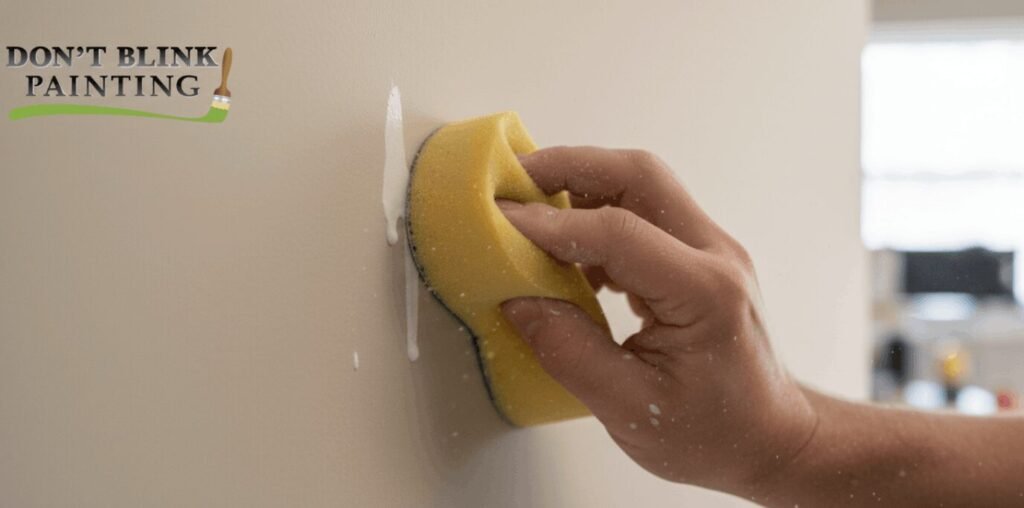
If you decide to proceed with painting the interiors, the process must be handled with care. Proper preparation is the most critical step. Every surface must be degreased using a strong cleaner like TSP (trisodium phosphate) because even small amounts of cooking residue will prevent the paint from adhering properly.
Following the cleaning, the surfaces need a light scuff-sanding to create “tooth” for the primer to grab onto. For the topcoat, a water-borne alkyd or a high-quality acrylic enamel is preferred. These paints dry harder than standard wall paint and are less likely to stick to the bottoms of your dishes.
Bonus Tip: Avoid painting the very edges where the door meets the cabinet frame if you want to prevent the doors from sticking. If you must paint these areas, wait at least 48 hours and then apply a small amount of clear wax or a specialized “bump dot” to keep the surfaces from touching directly.
Common Questions About Cabinet Interiors
When planning a kitchen update, many homeowners ask if they can paint just the shelves or only the visible frames. While you can paint only the frames (the “faces”) of the cabinets, painting just the shelves often leads to a mismatched look that feels unfinished. It is generally an all-or-nothing decision for the box interiors to maintain visual consistency.
Another common question involves the use of shelf liners. If the goal is to hide a stained or unattractive interior without the hassle of painting, high-quality adhesive or non-slip liners are a practical alternative. These can be installed in a fraction of the time and provide a durable surface for dishes.
Answers to Frequent Cabinet Painting Questions
Does painting the interior increase home value?
Generally, no. Most home buyers focus on the exterior appearance of the cabinets. According to data from the National Association of Realtors, kitchen aesthetics drive value, but the interior of a closed cabinet is considered a functional rather than a cosmetic feature.
How long should I wait to put the dishes back?
For most cabinet-grade paints, you should wait at least three to five days before placing heavy objects on the shelves. Even if the paint feels dry to the touch, it remains soft for several days as it cures. Placing items too early will cause permanent indentations or sticking.
Can I use regular wall paint for the inside?
This is not recommended. Wall paint is designed to be flexible and breathable, but it lacks the hardness required for shelving. Using standard latex wall paint will almost certainly result in the paint peeling or sticking to your dishes within the first month.
Is it better to spray or roll the interiors?
Spraying provides the smoothest finish but requires extensive masking to protect the rest of the kitchen. Rolling with a high-density foam roller is more practical for interiors, as it allows for better control in tight spaces and creates less mess while still providing a professional look.
Summary of Interior Painting Decisions
Painting the interior of kitchen cabinets is a specialized choice that serves specific design needs. It is the right move for kitchens with glass doors or open shelving where the box is a visible part of the room’s style. However, for standard cabinetry, the drawbacks of increased cost, long curing times, and potential durability issues often outweigh the benefits. Homeowners should prioritize the exterior finish where the visual impact is highest and only address the interiors if the condition of the wood requires a total refresh. Carefully evaluate the material of your cabinets and your project budget before committing to this labor-intensive task.
Direct Professional Assistance
Deciding on the right scope for a kitchen project is easier with professional guidance. Don’t Blink Painting provides expert services for those looking to update their cabinetry with a durable, high-end finish. For a detailed consultation regarding your specific kitchen needs, contact the team at (858) 405-3744 or send an email to myron@dontblinkpainting.com. Professional standards ensure that every surface, whether inside or out, receives the correct preparation and coating for lasting results.
Sources
- Remodeling Magazine – Provides annual data on the cost versus value of various home improvement projects, including kitchen remodels.
- National Association of Realtors – Offers research and statistics on how specific home upgrades impact property value and buyer preferences.
- Houzz – A leading platform for home remodeling that provides data on current design trends and homeowner preferences in kitchen renovations.