

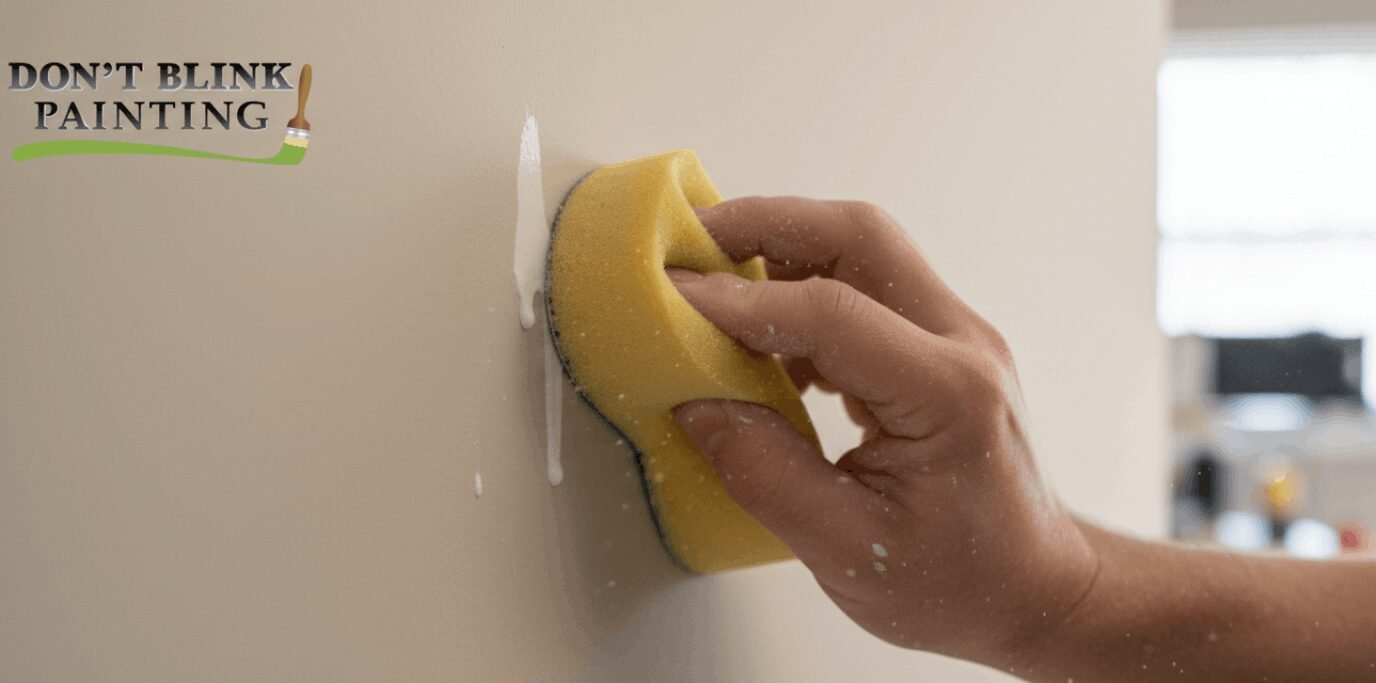
Fixing common interior painting mistakes requires a systematic approach that begins with identifying the specific error and its underlying cause. Most visual flaws, such as drips, runs, or visible brush marks, are resolved by allowing the paint to dry completely, sanding the area flat with fine-grit sandpaper, and reapplying the paint using more controlled techniques. If the issue involves structural failure like peeling or cracking, the solution requires removing all loose material back to a stable layer and applying a high-quality primer before the final topcoat.
Addressing these errors early prevents long-term damage to the wall surface and ensures a professional finish. This guide provides actionable steps to correct the most frequent mishaps encountered during home improvement projects. Experience demonstrates that patience and proper tool selection are the primary factors in turning a failed paint job into a lasting success.
Correcting Poor Surface Preparation
Many painting failures stem from what occurred before the brush even touched the wall. When paint fails to adhere or allows stains to show through, the root cause is usually inadequate cleaning or insufficient priming.
Peeling and Adhesion Issues
Paint that peels or flakes shortly after application typically indicates a dirty or glossy surface. If the paint is coming off in large strips, the surface likely had dust, grease, or moisture present. To fix this, scrape away all loose paint with a putty knife. Sand the edges of the remaining paint to create a smooth transition. Clean the area with a damp cloth to remove dust and let it dry. Apply a bonding primer to ensure the new layer sticks firmly.
Bleed Through and Staining
Water spots, cedar tannins, or ink marks can seep through several layers of standard latex paint. If you see yellow or brown spots appearing on your fresh coat, stop painting immediately. These stains are water-soluble or oil-soluble and require a specialized barrier. Use a stain-blocking primer, which is designed to seal the surface. Once the primer dries, you can apply your finish coat without the stain reappearing.
Dust and Debris in the Finish
Small bumps or “nibs” in the paint often occur when dust settles on a wet surface or when a dirty roller is used. Wait for the paint to dry to the touch. Lightly sand the bumps with 220-grit sandpaper. Use a tack cloth to remove every trace of sanding dust. Applying a fresh coat in a dust-free environment will restore the smooth texture.
Bonus Tip: Use a lint roller on new roller covers before using them. This removes loose fibers that otherwise end up stuck in your wall finish.
Fixing Application and Technique Errors
Even with perfect preparation, the way paint is applied can lead to visual inconsistencies. These are often the most frustrating mistakes because they appear while the project seems to be progressing well.
Eliminating Lap Marks
Lap marks are those dark, uneven stripes that appear where wet and dry paint overlap. They occur when you fail to maintain a wet edge. To fix lap marks that have already dried, you must sand the entire wall section flat. Once the surface is even, repaint the wall in one continuous session.
Research from Grand View Research indicates that the demand for high-quality architectural coatings is driven by the need for better finish consistency. To avoid lap marks, work in small sections and roll from top to bottom, keeping the roller loaded with paint. Always roll back into the wet paint to blend the edges.
Removing Drips and Runs
Drips usually happen when too much paint is applied at once or when the brush is overloaded. If the paint is still wet, you can sometimes brush the drip out. However, if it has started to set, leave it alone. Touching a semi-dry drip creates a bigger mess. Wait for the drip to harden completely. Use a razor blade or a scraper to carefully level the mound, then sand it flush with the wall. Apply a thin touch-up coat with a foam brush or a small roller to match the surrounding texture.
Fixing Roller Texture and Stippling
Excessive texture or “orange peel” occurs when you use a roller nap that is too thick or apply too much pressure. If the wall looks too bumpy, sand the surface with a sanding pole to knock down the high points. For the next coat, select a roller nap appropriate for the surface. Smooth walls generally require a 3/8-inch nap, while textured walls might need a 1/2-inch or 3/4-inch nap.
Managing Environmental and Product Factors
The conditions in the room and the quality of the paint itself play significant roles in the final outcome.
Resolving Bubbles and Blisters
Bubbles happen when the paint film lifts from the surface. This is common when painting in extreme heat or when moisture is trapped behind the paint. According to a technical guide by Sherwin-Williams, painting over a damp surface or in high humidity can lead to these adhesion failures.
To fix blisters, scrape the bubbles away and sand the area. Find the source of the moisture, such as a leak or high humidity in a bathroom. Use a dehumidifier or wait for a cooler day to repaint. Ensure the surface is completely dry before applying primer and paint.
Dealing with Low Coverage or Hat Banding
Hat banding occurs when the color at the edges of the wall looks different than the center. This happens because the brush-applied paint at the corners dries before the roller-applied paint in the middle. To fix this, repaint the wall and work in smaller sections. Cut in one wall and immediately roll it while the edges are still wet. This allows the two application methods to blend together seamlessly. Once you have identified these technical causes, you can proceed to the repair phase by evaluating a few essential environmental and material factors.
| Painting Mistake | Common Cause | Primary Fix |
|---|---|---|
| Lap Marks | Painting over dried edges | Sand flat and repaint with a wet edge |
| Drips and Runs | Overloaded brush or roller | Scrape and sand flush once fully dry |
| Blistering | Trapped moisture or heat | Remove loose paint, dry area, and prime |
| Poor Adhesion | Dirty or glossy surfaces | Clean with TSP and use bonding primer |
| Visible Brush Marks | High-viscosity paint or poor brush | Sand smooth and use a leveling additive |
Things to Consider Before Starting a Repair
Before you pick up a scraper or a brush to fix a mistake, evaluate the situation to avoid making it worse.
- Drying Time: Ensure the paint has fully cured before attempting to sand; sanding gummy, uncured paint creates difficult-to-remove clumps. A simple scratch test can confirm if the surface is ready.
- Lighting: Check the mistake under different lighting conditions. A flaw visible under a work light might disappear under natural light, or vice versa.
- Paint Batch: Ensure you have the same batch of paint. Slight color variations between cans can make a small touch-up look like a permanent stain.
- Surface Temperature: Interior walls should be between 50 and 85 degrees Fahrenheit for optimal paint performance.
Bonus Tip: To perform a scratch test, use your fingernail to press into an inconspicuous area. If it leaves a clean indentation without sticking or tearing the film, the paint is dry enough for sanding.
Common Questions About Interior Painting Fixes
Addressing specific concerns helps narrow down the repair process and prevents repetitive errors.
Why does my paint look patchy after two coats?
Patchiness or “flashing” often results from uneven absorption. This happens when the wall has patches of filler or drywall compound that were not primed. The porous filler soaks up the paint differently than the rest of the wall. To fix this, apply a coat of primer over the patchy areas and then add a final topcoat to the entire wall.
Can I fix a mistake by just painting over it?
Usually, no. Painting over a drip or a piece of lint just highlights the bump. You must remove the physical defect through sanding or scraping before the next coat will look smooth.
Why is my new paint peeling off the old paint?
This is often a compatibility issue. If you apply water-based latex paint over old oil-based paint without a primer, it will not bond. You can test this by rubbing a small area with denatured alcohol. If the paint comes off, it is latex. If it doesn’t, it is oil. You must sand the oil-based surface and use a specialized transition primer.
Specific Solutions for Interior Painting Issues
Correcting Ceiling Splatters
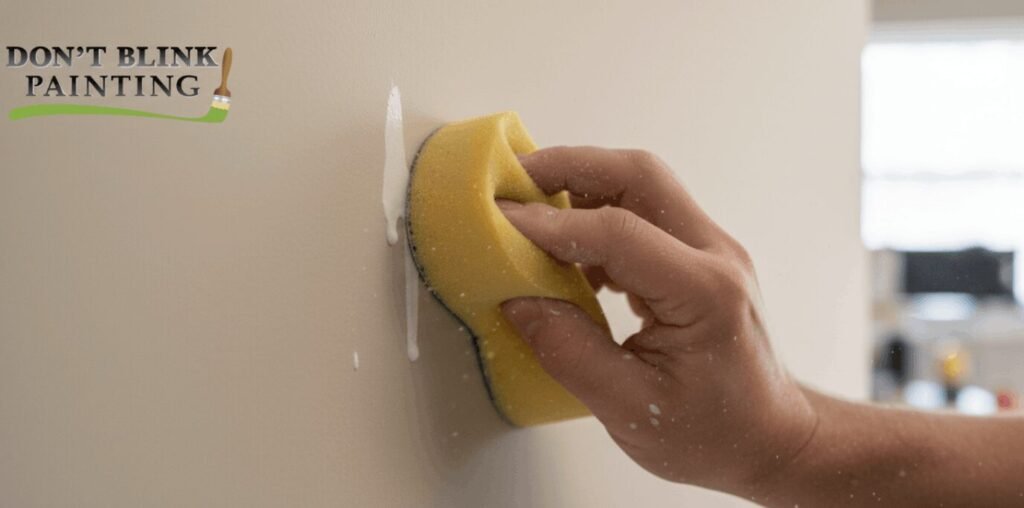
When painting walls, it is easy to bump the ceiling with the roller. If the paint is wet, wipe it immediately with a damp rag. If it has dried, you will need to touch it up with ceiling paint. Since ceiling paint is often a very flat white, even a small dab with a Q-tip or a small brush can hide the mark.
Fixing Poor Coverage with Bright Colors
Deep reds, yellows, and oranges often have poor opacity. Data from Statista reflects a growing trend in DIY home personalization, which often includes bold color choices. If the old color is still showing through after two coats, you likely need a third coat or should have used a gray-tinted primer. Do not try to apply the paint thicker to compensate, as this leads to drips.
Dealing with Paint on Trim
If you get wall paint on the baseboards or window casing, let it dry slightly until it is tacky. Often, you can “roll” the paint off the semi-gloss trim with your finger. If it has dried completely, use a damp cloth wrapped around a putty knife to create a sharp edge and gently scrape the wall paint off the trim.
Evaluating Your Painting Project Needs
The success of a repair depends on your ability to recognize when a simple touch-up is enough and when a full repaint of a wall section is necessary. Small drips and minor lint can be handled locally. However, lap marks, sheen inconsistencies, and color mismatches usually require painting from corner to corner to achieve a seamless look.
Consider the age of the existing paint and the tools available to you. If a project feels overwhelming or if the failures are widespread across multiple rooms, professional assistance can provide a clean slate. Evaluate your time and the cost of additional materials before deciding to continue a DIY fix.
Professional Support for Your Painting Projects
Achieving a flawless interior finish requires attention to detail and a deep understanding of material behavior. If you encounter persistent issues with peeling, uneven sheen, or difficult textures, professional guidance can help. For assistance with your interior painting needs or to resolve complex application errors, contact Dont Blink Painting at (858) 405-3744. You can also reach out via email at myron@dontblinkpainting.com to discuss specific project requirements and ensure your surfaces receive the expert care they deserve.
Sources
- Sherwin-Williams – Technical documentation regarding intercoat adhesion and common paint failures.
- Grand View Research – Market analysis of architectural coatings and consumer quality expectations.
- Statista – Statistics on DIY home improvement spending and consumer trends in the United States.
- Paint Quality Institute – An authoritative resource for identifying and solving interior paint application problems.